6 Great Stargazing Options near Big Bend National Park
Updated August 2026
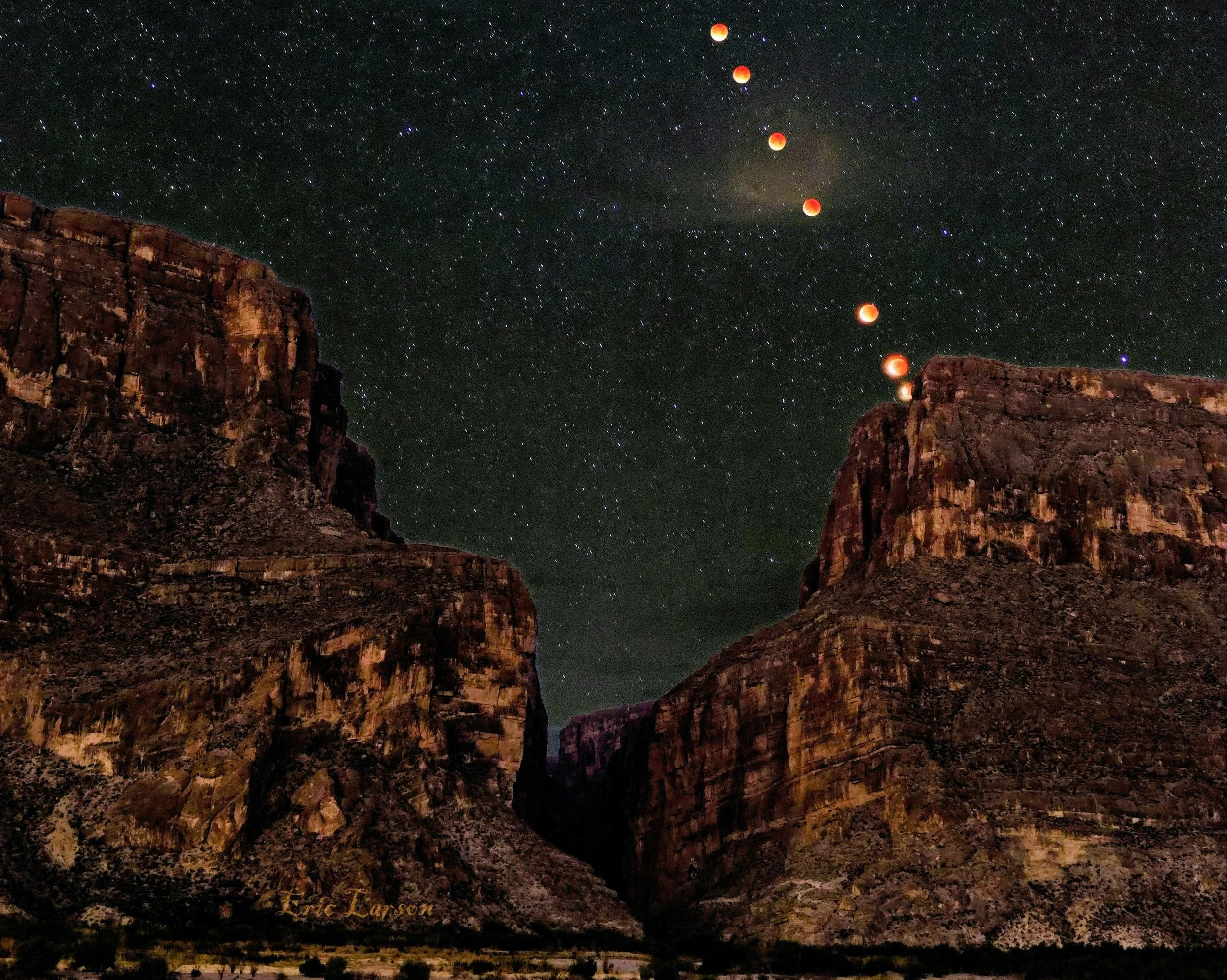
I live in Terlingua and host stargazing tours at Starlingua Ranch, so I'll tell you that up front. But this guide covers most options in the region, including the free ones and the ones run by other people, because the truth is the Big Bend sky is big enough for all of it. My goal is that this page saves you from digging through a half dozen different websites to figure out what's actually available on the nights you're here.
What makes Big Bend National Park special? Big Bend sits inside the largest dark sky reserve in the world, and the national park and surrounding area has less light pollution than any other area in the lower 48 states.
Here's why that actually matters. Roughly 80 percent of Americans can't see the Milky Way from where they live. Most of them will go their whole lives, and die, without ever seeing it arch across the sky from one horizon to the other like a river of light. But you're already here, or about to be, so you already know that. This guide is about making sure you don't sleep through it.
And here's the honest answer to "what's the best stargazing in Big Bend?": It's the option closest to wherever you're sleeping tonight. You already drove hours to get to get to Big Bend. You don't need to drive any more once you're here. That's why this guide is organized by where you'll be: on the way down, inside the park, or in Terlingua.
Jump to:On your way down | Inside the park | AI as your star guide | Terlingua Stargazing Tours | Planning your night
Stargazing on your way to Big Bend
Big Bend National Park is a 7-8 hour drive from Austin or Dallas, and a lot of people break it up with a stop-over night in Alpine, Marathon, or Fort Davis. If that's your plan, don't waste the night.
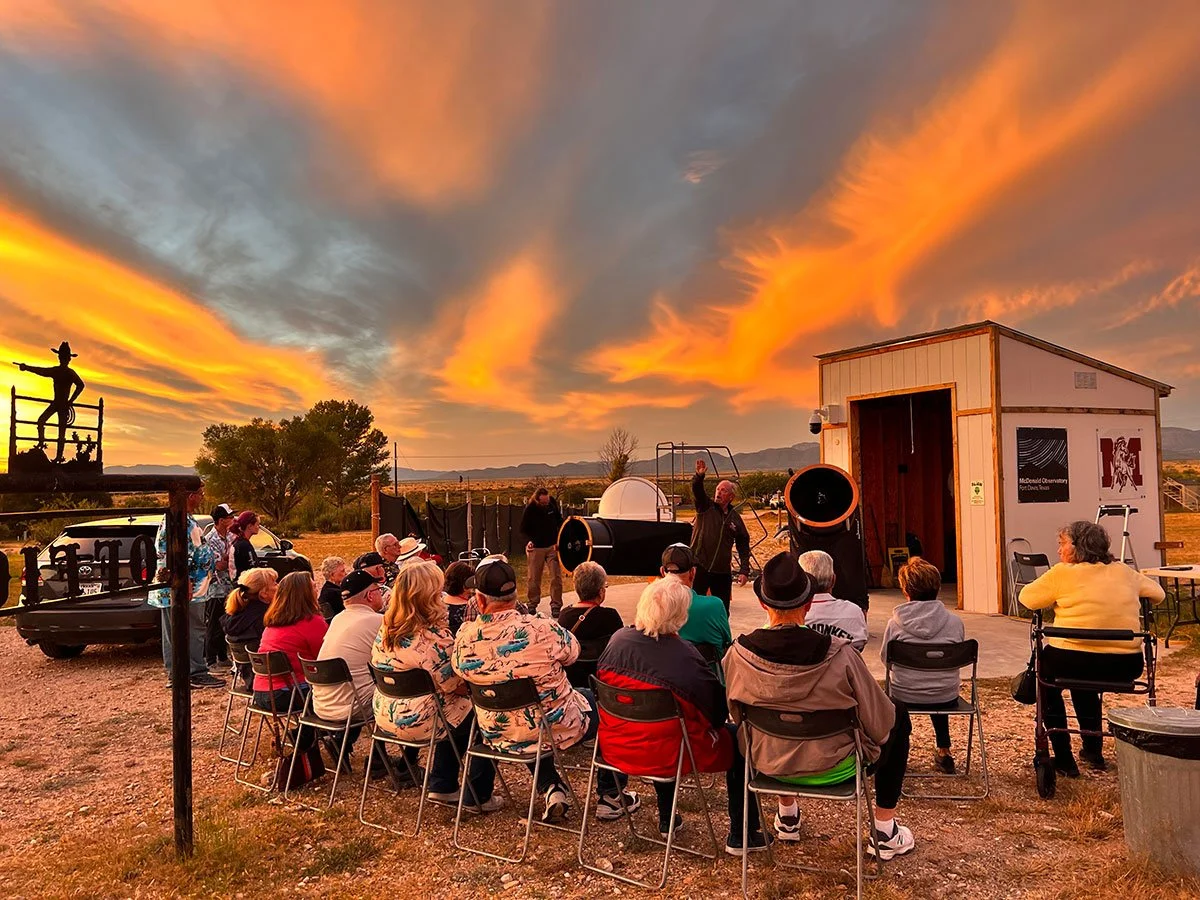
Marathon Sky Park (the one most people miss)
If you're overnighting in Marathon or Alpine before continuing onto the park, you're sleeping next to one of the best-kept stargazing secrets in Texas. The Marathon Motel & RV Park runs a dedicated Sky Park with star parties conducted on moon-less nights, through 20+ inch Dobsonian telescopes. Those are seriously large instruments, and Marathon sits at 4,100 feet right on the edge of the those pristine dark skies of Big Bend.
If you're an astrophotographer hauling your own rig, they also rent concrete pads with power to setup your gear on for the night, free if you're staying at the motel or RV park. If your route brings you through Marathon for a night anyway, this is the easiest stargazing win on your whole trip.
McDonald Observatory (must do!)
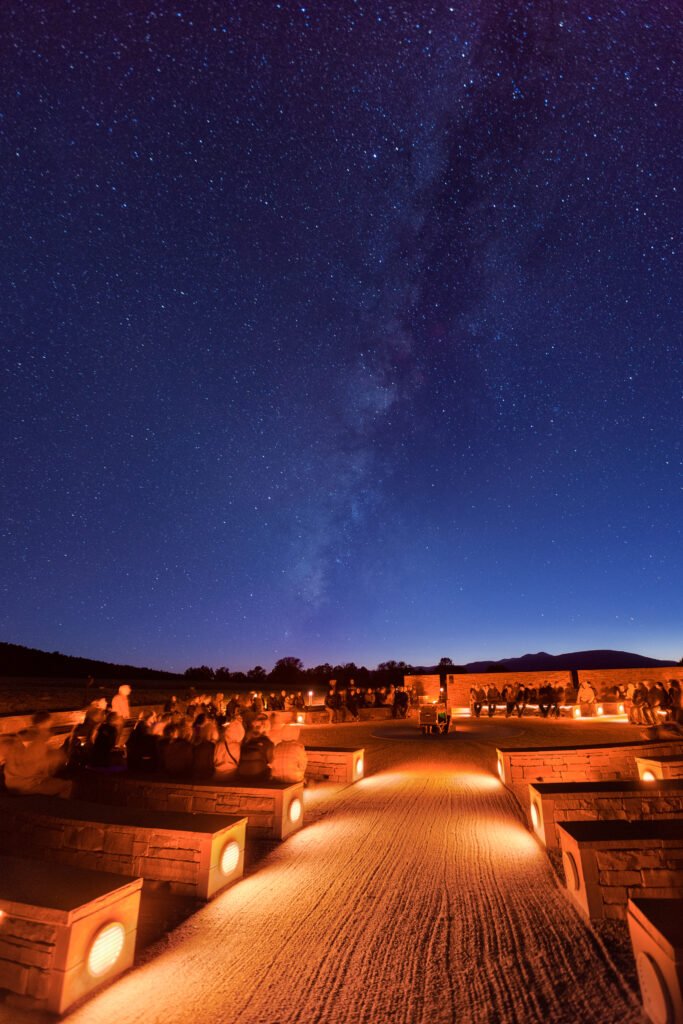
McDonald Observatory near Fort Davis is the real deal, a University of Texas research facility that draws over 75,000 visitors a year, with public star parties on Tuesday, Friday, and Saturday nights at the visitors center. Tickets run about $25 depending on age, and the program is two hours of constellation touring and telescope viewing. This one takes real planning: it's far enough from everything that most people build a night in Fort Davis or Alpine around it.
The asterisk is don’t expect to look through the 82 inch Otto Struve Telescope, that is reserved for occasional special viewing events. Since McDonald Observatory is over 2 hours from Terlingua plan to hit it on your way to or from Big Bend National Park. Star parties also regularly draw crowds of up to 300 people and sell out! My honest advice: it’s a definite bucket list destination for anyone remotely interested in astronomy and make a day of it and take in their daytime tours.
Stargazing inside the park(s)
Big Bend National Park ranger programs
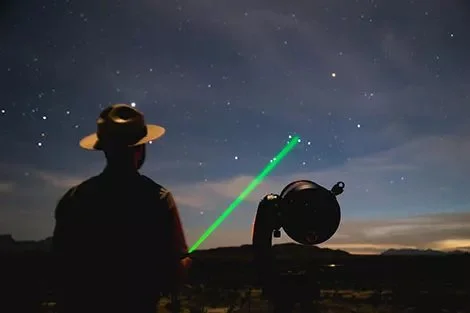
The National Park occassionally runs free night sky interpretive programs, from star parties to moonlight walks, led by rangers and volunteers. These are genuinely good, and free is free. The catch is scheduling: programs vary week to week, so check the current ranger program schedule on the park's website or at a visitor center when you arrive. If you're camping in the park during a program night, go.
Big Bend Ranch State Park star parties
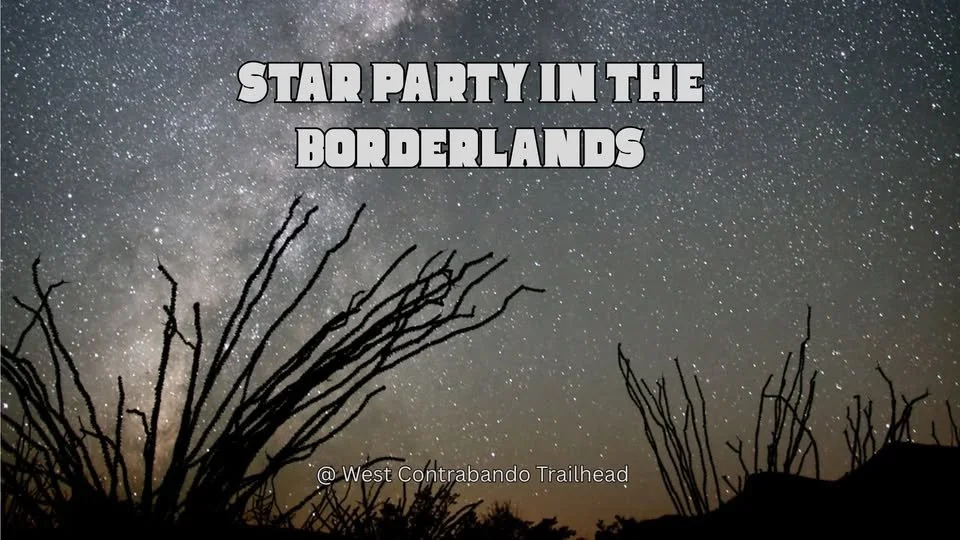
On the far side of Terlingua, past Lajitas along the river road, Big Bend Ranch State Park runs its own "Star Party in the Borderlands" events roughly monthly, reservations required through Texas Parks & Wildlife. The state park is one of the darkest places in Texas, and the river road drive at dusk is its own reward.
AI as your star guide
You don't need a program to have a world-class night in the park. Any pullout, overlook, or campsite works. Give your eyes 20 to 30 minutes to fully dark-adapt, use a red light instead of your phone flashlight, and bring binoculars if you have them. Point them anywhere along the Milky Way and sweep slowly.
What you'll see naked-eye on a moonless night: the Milky Way core (roughly March through October, best in summer), the Andromeda Galaxy, meteor flashes even outside of shower dates, and satellites gliding through constantly. In fall and winter, Orion and the winter sky take over and the air gets even steadier.
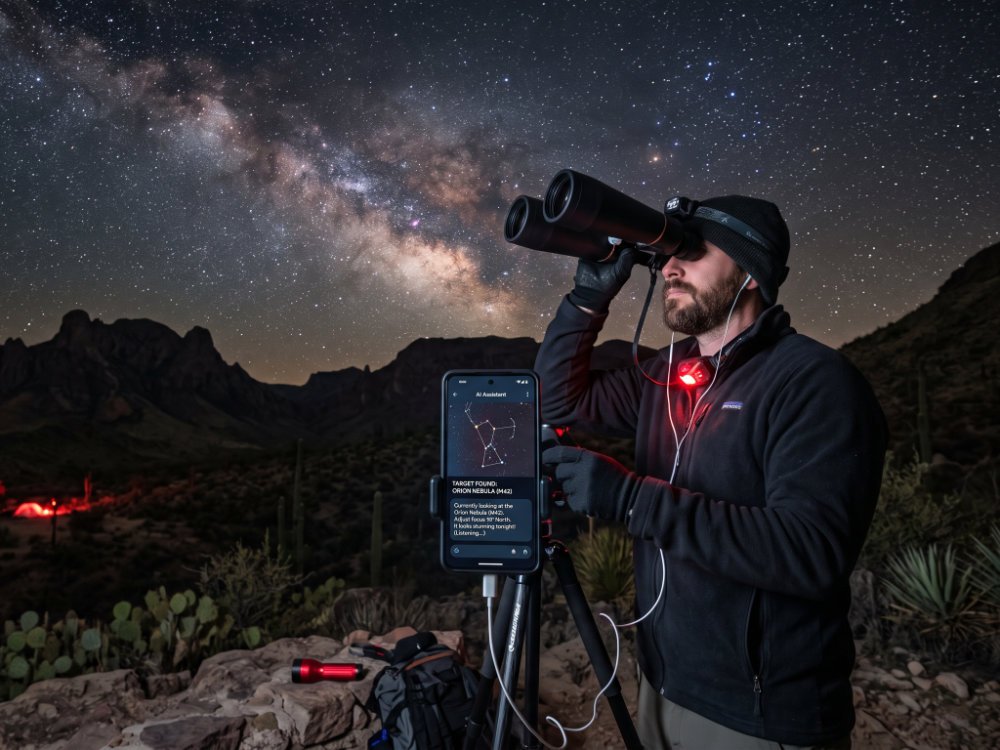
If you're standing outside at night with binoculars or a telescope and no idea where to point them, open an AI assistant like Claude or Gemini. Tell it the date and time and that your in Terlingua and what gear your using if any. Suggestions to ask it and just describe your situation. Recently I was testing a new manual telescope without automated tracking, meaning I had to find everything by hand, and I asked for an emission nebula I could star-hop to from a bright star. It gave me a target and directions, and it worked.
Copy this template and fill in the brackets:
“It's [time] on [date] in Terlingua, Texas. I using [binoculars or naked eye]. Tell me an interesting [nebula / star cluster / double star] I can find tonight by star-hopping from a bright star, with step-by-step directions. And include some intersting facts or stories about the object."
Be sure to turn the brightness of your phone all the way down and use voice mode instead of typing. The more specific you are about your gear, your location, and the time, the better the answer. Ask follow-ups like you would with a person: "that's too faint for my binoculars, give me something brighter," or "how do i know I’m looking at the right thing?"
For a self-guided evening, it's the best free stargazing tool that's appeared in decades.
Stargazing Tours in Terlingua:
Why pay for stargazing when the sky is free?
Fair question, and I'll answer it honestly even though I host my own stargazing tours.
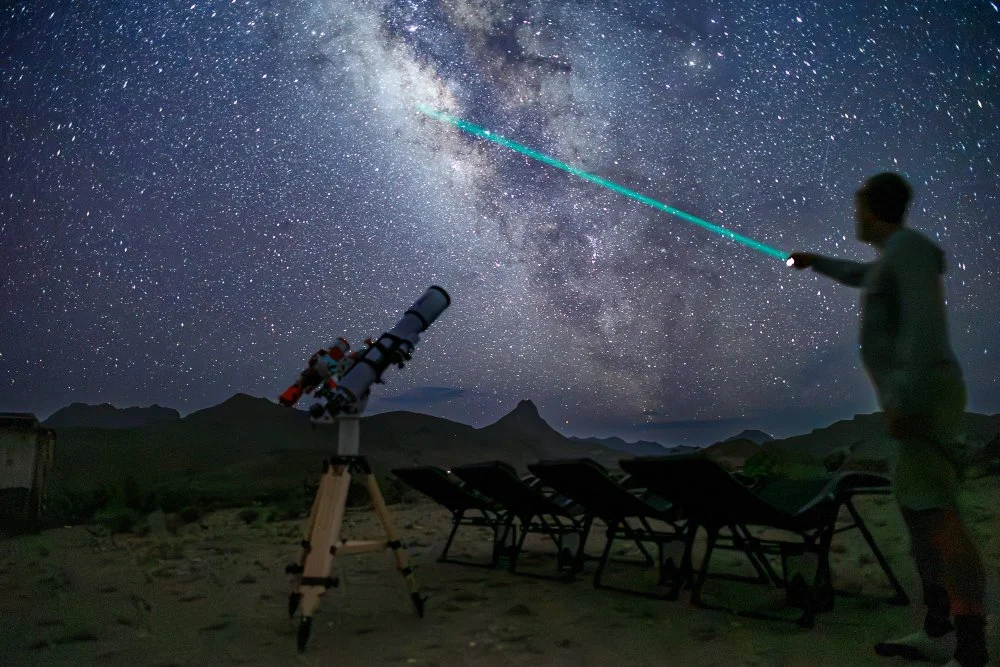
Here's what actually happens on most DIY stargazing nights at your campsite, RV or Airbnb. You walk outside with good intentions. You look up, and it's genuinely stunning. Then, somewhere around minute ten, the novelty settles, your neck starts to hurt because you don’t have a zero-gravity recliner, you're not sure what you're looking at, and your hand reaches for your phone. Twenty minutes later you're back in the RV, tent or Airbnb doing whatever you'd be doing at home, because that's the habit, and habits win. The sky was free, and you spent ten minutes with it.
Paying for a stargazing experience is the same move as paying for a gym class with a trainer when doing body weight exercises at home is free. Most people are not going to follow through with an exercise regime alone in their living room. You do ten minutes and call it a day. But you show up for the class you paid for, and you stay the whole hour, and that's where the actual experience lives. The money isn't really buying the telescope time. It's buying your own commitment. For two hours, you have no choice but to give yourself over to the night sky, with someone who can guide you to things you'd never find alone. That brings us to our final and I think best way to experience the night sky at Big Bend National Park, a stargazing tour at Starlingua Ranch.
Private Stargazing Tours at Starlingua Ranch
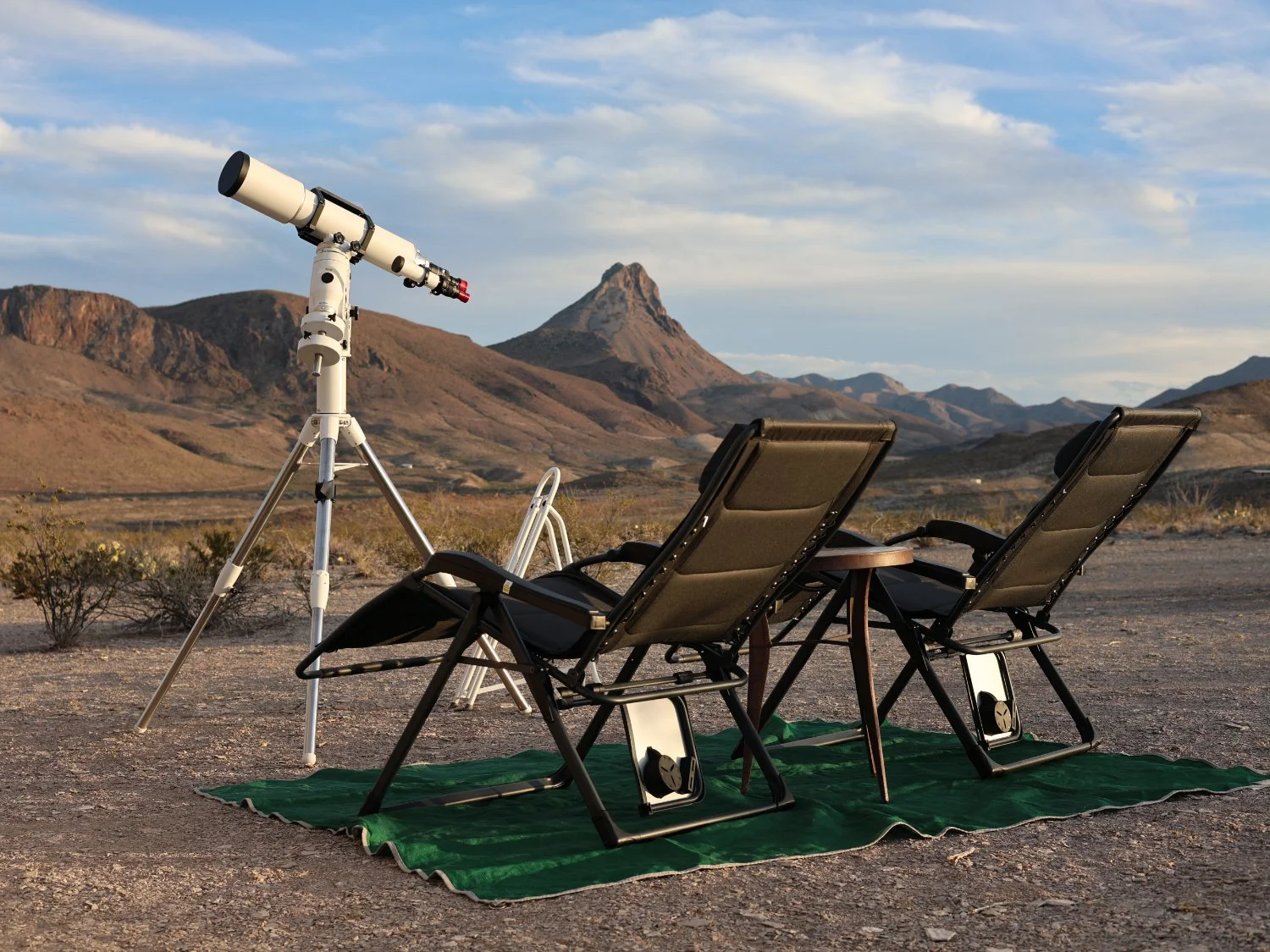
Starlingua hosts one private group per night, it’s designed for families, couples on a date night or a group of friends. No strangers, no shared telescope line, just your people on a 60-acre ranch near the northern border of Big Bend National Park. You get high-powered telescopes, zero-gravity recliners so you're looking up without craning your neck, cold drinks, and an Astro Portrait to remember the night by, a professional night sky portrait of your group under the stars. And if clouds win, you don't pay. No stars, no pay.
On a private tour, the night gets built around your group, what you're curious about, and how long you want to linger on Saturn. If it's an anniversary, a family gathering, or the one night of the trip you want to be special, that's what this is for.
Planning your night: quick answers
When's the best time of year?
Highlights change with the seasons, honestly any clear, moonless night is world-class in Big Bend.
What about the Milky Way?
Check out this complete article on When can you see the Milky Way in Big Bend National Park?
What about the moon?
Less moonlight the better, good news is the moon is rarely out for the entire night.
What should I wear?
Desert nights drop fast, even in summer. Bring a real layer year-round and a warm coat in winter.
Can kids come?
Children should be welcome everywhere.
What if it's cloudy?
You may not see anything if it’s cloudy, most operators cancel and refund.
